North Texas roof-damage guide
Roof Damage Repair in Grand Prairie, TX
If your roof was damaged by hail, wind, a falling branch or an active leak in Grand Prairie, this page helps you decide what to do next before signing a contract or filing a claim.
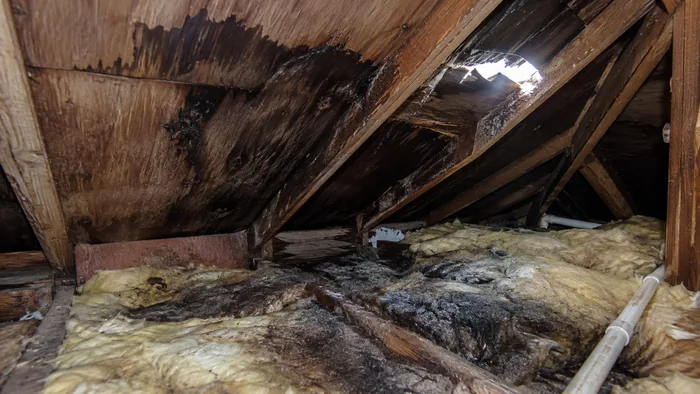
What is different about roof damage decisions in Grand Prairie?
The city has a broad range of roof ages and home styles, so slope, access, decking condition and prior repairs can create substantial cost differences even when two homes show similar storm damage.
The useful approach is to identify damaged components, urgency, repairability and the factors that will actually change a written estimate.
What roof damage problems are most urgent in Grand Prairie?
How should homeowners in Grand Prairie decide between repair and replacement?
| Decision factor | What to verify |
|---|---|
| Damage pattern | Localized area versus repeated damage across multiple slopes. |
| Material condition | Whether existing materials can be lifted, repaired and matched without causing more damage. |
| Deck and flashing | Hidden moisture, deteriorated wood and flashing failures can expand the scope. |
| Economics | Compare a defensible repair scope with replacement, deductible and remaining roof life. |
What affects roof repair cost in Grand Prairie?
Should you file a roof insurance claim in Grand Prairie?
Texas Department of Insurance resources can explain policy and claim terminology, but only your actual policy and claim facts determine coverage.
Grand Prairie roof-damage decision profile
This section is deliberately specific to Grand Prairie. It is here so the page answers a local decision rather than acting as a city-name doorway to generic roofing content.
Grand Prairie spans the Dallas-Fort Worth corridor and can receive hail, damaging winds and fast-moving thunderstorms. When water is actively entering, the first decision is how to keep the structure dry; the replacement decision can follow once conditions are documented.
The city has a broad range of home ages and roof styles, so access, slope, decking and prior repair history can produce very different costs even within the same neighborhood. A universal per-square-foot promise is rarely trustworthy.
Wind and debris can also affect gutters, fascia, edge metal and roof penetrations. Those components should be included in the inspection so a small-looking shingle problem does not hide a larger edge or drainage issue.
Because the city sits between two major contractor markets, homeowners may have many bids to choose from. That is an advantage only if scopes are normalized; otherwise, more bids simply create more incomparable numbers.
Three realistic decision scenarios
Local verification checklist
- Check the National Weather Service office serving Grand Prairie for storm context rather than relying on sales claims about what happened.
- Confirm the event date and save your own photos, video and mitigation receipts.
- Ask contractors to separate storm-related damage from age, wear and optional upgrades.
- Compare written scope by roof component, not merely total price.
- Review your actual policy and deductible before assuming an insurance claim will pay for the work.
- Use the official Grand Prairie city website when you need current local permit or municipal information; requirements can change.
Local references: National Weather Service · City of Grand Prairie · Texas Department of Insurance roof guidance
Questions homeowners in Grand Prairie ask after roof damage
What should I document first after roof damage in Grand Prairie?
Save dated ground-level photos, interior leak photos, temporary-repair receipts, contractor inspection images, the event date, and written communication. Do not climb onto an unsafe roof just to improve the photo set.
Which roof problems in Grand Prairie should be treated as urgent?
Active water entry, a large opening, loose roofing material, tree impact, exposed decking, visible structural movement, or electrical contact should be treated as urgent. Emergency mitigation and permanent repair are separate decisions.
How can I tell whether hail actually damaged my roof in Grand Prairie?
Hail in the area proves exposure, not damage to a specific roof. A useful inspection looks at the roof covering, ridge components, vents, flashing and soft metals, then explains which marks are functional damage versus cosmetic wear.
What does wind damage usually look like on a roof?
Common signs include lifted or missing shingles, damaged ridge caps, displaced edge material, loosened flashing, bent vents and debris impacts. Some wind damage is subtle and may only become obvious during the next rain.
When can a damaged roof be repaired instead of replaced?
Localized damage can often be repaired when surrounding material is serviceable, compatible replacement material exists and the repair will not damage adjacent shingles. Broad damage or poor repairability can make replacement more rational.
What if matching shingles are unavailable?
Ask for the exact manufacturer/product identification if possible, what substitute is proposed, whether surrounding material can be lifted safely, and whether the issue is performance, appearance or both. Do not rely on a verbal 'can't match it' statement alone.
What should a written roof estimate include?
Look for quantities, affected slopes, tear-off assumptions, underlayment, flashings, ventilation, decking allowances, disposal, property protection, permits if applicable, warranty, payment schedule and exclusions.
How should I compare roofing bids in Grand Prairie?
Normalize the scope first. A lower bid may omit decking, flashings, ventilation, cleanup or code-related work. Compare what each contractor is actually promising before comparing the total. For Grand Prairie, compare this with the local storm context described above rather than relying on a generic Texas average.
When does an insurance claim make financial sense?
A claim may make sense when a covered event creates a documented loss meaningfully above the deductible. Policy wording, depreciation and the insurer's evaluation still matter, so compare the likely repair scope with your actual policy. For Grand Prairie, compare this with the local storm context described above rather than relying on a generic Texas average.
Why does my wind or hail deductible matter?
Texas policies may use a different deductible for wind or hail. A high deductible can make a smaller repair largely an out-of-pocket expense, which is why you should know the amount before assuming a claim will help.
How can I screen contractors after a major storm?
Verify the business, insurance, written scope, warranty, payment terms and cancellation terms. Be cautious with anyone who guarantees insurance approval, tells you the deductible will disappear or pressures you to sign before the scope is clear. For Grand Prairie, compare this with the local storm context described above rather than relying on a generic Texas average.
What does RoofDamageCalculator.com help me organize?
It helps organize damage type, urgency, likely repair scope, cost drivers and insurance considerations before you compare estimates. It is a decision-support tool, not a substitute for an on-site inspection or policy review.
Turn the damage into a structured decision
Record damage type, urgency, likely scope, cost drivers and insurance considerations before comparing contractors.
Start the Free Roof Damage Assessment