North Texas
Emergency Roof Repair in Fort Worth, TX
Fort Worth is exposed to North Texas hail, wind and rapidly developing thunderstorms. Homes range from older central neighborhoods to newer subdivisions, so repairability, access, roof age and tree exposure can change the economics considerably. This page focuses specifically on the emergency decision, so it is designed to answer that query on its own rather than exist as a doorway to a generic city page.
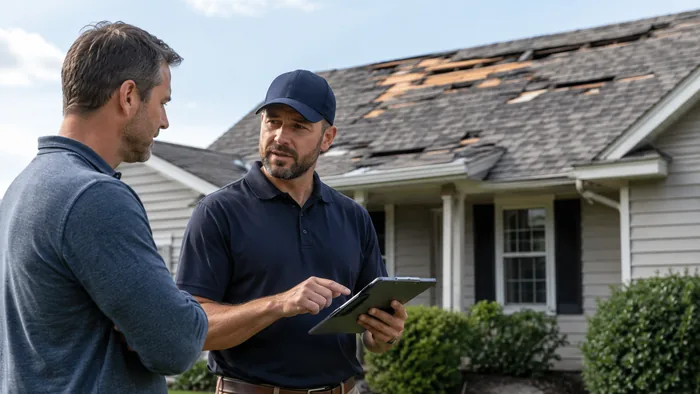
What this decision means in Fort Worth
The useful sequence is evidence first, scope second and transaction third. That means documenting what happened, understanding what is actually damaged, then deciding how to repair, pay or involve insurance. Reversing that order is how homeowners get trapped in sales-driven scopes.
What counts as a roof emergency in Fort Worth?
Ask for evidence tied to the specific component and location on the roof. A useful written scope explains what is damaged, why the proposed work is needed and what is excluded. That makes the page valuable even if you never use the calculator.
What should temporary roof protection include?
Ask for evidence tied to the specific component and location on the roof. A useful written scope explains what is damaged, why the proposed work is needed and what is excluded. That makes the page valuable even if you never use the calculator.
How should you document emergency damage before work begins?
Ask for evidence tied to the specific component and location on the roof. A useful written scope explains what is damaged, why the proposed work is needed and what is excluded. That makes the page valuable even if you never use the calculator.
What should happen before permanent repair is authorized?
Ask for evidence tied to the specific component and location on the roof. A useful written scope explains what is damaged, why the proposed work is needed and what is excluded. That makes the page valuable even if you never use the calculator.
How to compare your next step
| Question | What to verify |
|---|---|
| Is more damage occurring now? | If yes, prioritize safe mitigation before permanent scope decisions. |
| Is the proposed scope tied to evidence? | Photos, component notes and quantities are more useful than labels such as 'storm damaged'. |
| Are bids comparable? | Normalize flashings, decking, ventilation, disposal, permits and exclusions before comparing totals. |
| Does insurance change the economics? | Compare likely covered scope with the actual deductible and policy terms. |
Local verification resources
Use official sources for event context and current municipal information rather than relying on a contractor's storm-history claim.
What to confirm before the emergency crew leaves
Before the temporary crew leaves, make sure you know exactly what was covered, what remains exposed, how long the temporary protection is expected to last, and what conditions could cause it to fail. Ask for photos of the protected area and a written description of the work. If a tarp or temporary membrane was installed, ask whether wind, rain or heat can loosen it and whether a follow-up check is recommended. Keep the invoice separate from any permanent-repair proposal so you can compare the next stage without being locked into one contractor. If interior water was involved, photograph affected ceilings, insulation and contents before cosmetic cleanup begins. Emergency mitigation is successful when it stops additional damage and preserves your options. It should not create a rushed commitment to a much larger project that has not yet been properly scoped.
For Fort Worth, keep this checklist with the photos and written scope for the specific property. City-level storm context can help explain exposure, but the final decision must still be based on the condition of this roof.
Frequently asked questions
What should I do first during an active roof leak in Fort Worth?
Move people and valuables away from the leak area, contain water if safe, avoid electrical hazards and arrange temporary weather protection. Do not climb onto a wet or unstable roof.
Is emergency tarping a permanent repair?
No. Tarping or temporary dry-in work is meant to limit additional damage until the roof can be inspected and permanently repaired.
Should I call insurance before emergency mitigation?
Do not delay reasonable emergency mitigation when additional damage is occurring. Save photos and receipts, then follow your policy's notification requirements.
Can a contractor start permanent work immediately?
They can, but you should understand the permanent scope, price, warranty and insurance implications first unless immediate structural work is necessary for safety.
What photos matter most?
Wide exterior views, close-ups from safe locations, interior leaks, damaged contents, temporary work and dated receipts are useful.
What if a tree hit the roof?
Keep clear of the area, consider structural and electrical hazards, and have the impact area evaluated before assuming the damage is limited to shingles.
Can a small opening wait overnight?
If rain or wind can enter, waiting can enlarge the loss. Temporary protection may be justified even when the permanent repair is small.
Who should inspect the attic?
Only enter when it is safe. Wet insulation, electrical hazards or structural damage can make attic access risky.
How should emergency and permanent invoices be separated?
Ask the contractor to identify temporary mitigation as its own scope and price so you can compare permanent repair independently.
Do I need multiple emergency quotes?
Not when immediate mitigation is required to prevent further damage, but permanent work should still be compared carefully.
What should I avoid signing under pressure?
Avoid vague contracts, assignments of benefits you do not understand, blank pricing, deductible promises and documents that make permanent work automatic.
How does RoofDamageCalculator.com help?
It organizes urgency, damage type, likely scope, cost drivers and insurance considerations before you compare the permanent next step.
Turn the damage into a structured decision
Organize urgency, scope, cost and insurance considerations before you compare contractors.
Start the Free Roof Damage Assessment