Central Texas
Roof Insurance Claim in Austin, TX
Austin can see hail, severe thunderstorms, strong winds and intense downpours. The metro's mix of asphalt shingle and metal roofing means hail and wind should be evaluated by material system rather than with a one-size-fits-all rule. This page focuses specifically on the insurance decision, so it is designed to answer that query on its own rather than exist as a doorway to a generic city page.
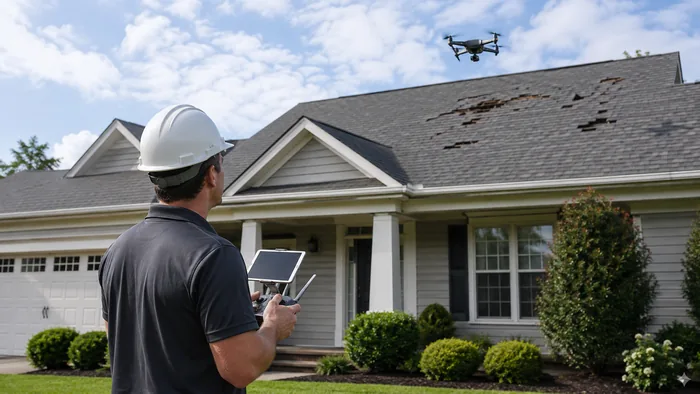
What this decision means in Austin
The useful sequence is evidence first, scope second and transaction third. That means documenting what happened, understanding what is actually damaged, then deciding how to repair, pay or involve insurance. Reversing that order is how homeowners get trapped in sales-driven scopes.
When might a roof insurance claim make sense in Austin?
Ask for evidence tied to the specific component and location on the roof. A useful written scope explains what is damaged, why the proposed work is needed and what is excluded. That makes the page valuable even if you never use the calculator.
Why should you know the deductible before filing?
Ask for evidence tied to the specific component and location on the roof. A useful written scope explains what is damaged, why the proposed work is needed and what is excluded. That makes the page valuable even if you never use the calculator.
What documentation should support a claim decision?
Ask for evidence tied to the specific component and location on the roof. A useful written scope explains what is damaged, why the proposed work is needed and what is excluded. That makes the page valuable even if you never use the calculator.
What should you avoid before the claim scope is clear?
Ask for evidence tied to the specific component and location on the roof. A useful written scope explains what is damaged, why the proposed work is needed and what is excluded. That makes the page valuable even if you never use the calculator.
How to compare your next step
| Question | What to verify |
|---|---|
| Is more damage occurring now? | If yes, prioritize safe mitigation before permanent scope decisions. |
| Is the proposed scope tied to evidence? | Photos, component notes and quantities are more useful than labels such as 'storm damaged'. |
| Are bids comparable? | Normalize flashings, decking, ventilation, disposal, permits and exclusions before comparing totals. |
| Does insurance change the economics? | Compare likely covered scope with the actual deductible and policy terms. |
Local verification resources
Use official sources for event context and current municipal information rather than relying on a contractor's storm-history claim.
Claim decisions that should stay separate from contractor sales
A contractor can help document physical damage and prepare a repair scope, but the homeowner should keep several decisions separate: whether to file a claim, which contractor to hire, what work to authorize and how to resolve any difference with the insurer. Do not assume that choosing a contractor requires assigning that contractor control over the claim. Read every authorization, contingency agreement and payment clause. If the insurer's scope differs from the contractor's, compare missing quantities and components line by line rather than focusing only on the total dollar difference. Keep copies of photos, estimates, adjuster notes and correspondence in one file. The cleanest claim process is evidence-driven: cause, damage, scope, policy terms and deductible each have their own role, and none should be replaced by a sales promise.
For Austin, keep this checklist with the photos and written scope for the specific property. City-level storm context can help explain exposure, but the final decision must still be based on the condition of this roof.
Frequently asked questions
Should I file a roof insurance claim in Austin?
It depends on the cause, policy, deductible and documented loss. Compare the likely repair scope with your actual deductible first.
What is a wind or hail deductible?
It is the amount you are responsible for under the policy before covered payment is calculated, and it may differ from other deductibles.
What is ACV versus RCV?
ACV generally reflects depreciated value, while RCV may allow additional recoverable amounts after qualifying repairs, subject to the policy.
What is recoverable depreciation?
It is depreciation that may become payable after covered repair or replacement conditions are met, depending on the policy.
Should I get a contractor estimate before filing?
A written scope can help you understand the size of the loss and compare it with the deductible.
Can a contractor guarantee claim approval?
No. Coverage decisions belong to the insurer under the policy.
Can the contractor waive my deductible?
Be cautious with any promise to make the deductible disappear. You are responsible for understanding your legal and contractual obligations.
What documents should I keep?
Photos, inspection notes, mitigation invoices, contractor scopes, policy documents and insurer correspondence.
What if the claim is denied?
Read the written reason, compare it with the policy and evidence, and use the insurer's review or appeal process if appropriate.
What if the claim amount seems too low?
Compare the insurer scope with a detailed contractor scope and identify missing quantities or components rather than arguing only about the total.
Should I sign a roofing contract before the claim is clear?
Only if you understand the price, scope and what happens if insurance pays less than expected.
How does RoofDamageCalculator.com help?
It helps organize claim-size, deductible, scope and cost questions before you decide what to do.
Turn the damage into a structured decision
Organize urgency, scope, cost and insurance considerations before you compare contractors.
Start the Free Roof Damage Assessment